Material Matters: A Practical Guide to Choosing Bedding Fabrics Based on Sleep Needs
Explore how different bedding fabrics influence comfort, temperature regulation, and durability. This guide compares common materials and links them to real-world sleep scenarios, helping readers make informed, science-backed choices. We weave in perspectives from notable thinkers across eras to illuminate how our relationship with sleep and textiles has evolved—from philosophical musings to modern textile science.
Fabric basics: weave, fiber, and finish
To understand how bedding performs, we start with three core concepts: weave (the mathematical structure of the fabric), fiber (the material that gives it form), and finish (the surface treatment that determines feel and care). The interplay of these factors shapes softness, breathability, warmth, and durability.
Weave determines texture and density. A percale weave, for example, features a tight, plain weave that yields a crisp hand and excellent breathability. A satin or sateen weave, by contrast, offers a smoother, more lustrous surface with a softer hand but may trade a bit of durability and cool air flow for that luxury sheen.
Fiber choices range from natural options—cotton, linen, wool, silk—to blends and regenerated fibers such as bamboo. Each fiber brings its own moisture management, temperature regulation, and tactile profile. Finish matters too: mercerization, calendering, and enzyme washes can alter softness, sheen, and care requirements.
Quick-start material map: hot sleepers, cold sleepers, and sensitive skin
Think of bedding fabrics as a spectrum of performance. Here’s a pragmatic guide that maps common fabrics to sleep needs without getting lost in technical jargon.
Hot sleepers: Prioritize fabrics with high breathability and moisture-wicking properties. Cotton (especially long-staple Egyptian or Pima) and linen are superb for air flow. Light, crisp percale sheets help with heat disbursement, while linen’s natural moisture management remains consistently cool across the night.
Cold sleepers: Look for warmth without heaviness. Cotton-silk blends or brushed flannel can provide a comforting barrier. Wool blends offer natural warmth with excellent moisture management, particularly when used in blankets or mid-layer sheets.
Sensitive skin or allergies: Prioritize natural, hypoallergenic materials with low chemical load. Organic cotton, linen, and wool from certified sources, or textiles with OEKO-TEX or GOTS certifications, minimize potential irritants. Avoid heavy chemical finishes; opt for simple, clean care instructions.
Across these categories, pairing sheets with the right pillow covers and duvet materials amplifies comfort. The goal is a coherent sleep system: the sheets, blankets, and pillows work in concert to regulate temperature and support restful sleep.
Common fabrics in bedding and how they behave
Below is a concise comparison of widely used fabrics, focusing on practical implications for sleep quality, care, and longevity.
Cotton
Cotton is the stalwart of bedding: breathable, soft, and versatile. The feel varies with weave and fiber length. Long-staple cotton (Pima, Egyptian) tends to be smoother and more durable, maintaining a crisp feel in percale or a luxurious softness in sateen.
Care: machine wash; avoid high heat to preserve fiber integrity. Cotton tolerates frequent washing, making it ideal for everyday bedding.
Linen
Linen shines in breathability and moisture management. It drapes with a natural, relaxed texture and tends to soften with use. Linen sheets are excellent for warm climates and hot sleepers, though they can feel stiffer when new.
Care: typically machine washable; line-drying can preserve the fabric’s character. Expect some wrinkling, which is part of linen’s charm.
Bamboo (viscose) and blends
Bamboo-derived fabrics can offer silky softness and moisture-wicking properties, with a sheen that resembles satin. Blends with cotton or microfibers can balance price, performance, and feel.
Care: follow manufacturer guidelines; some blends may require gentler cycles to prevent pilling.
Wool and wool blends
Wool brings warmth, natural flame resistance, and moisture regulation. In bedding, wool is less common for sheets but can appear in blankets or mattress toppers. When used, it offers a comfortable microclimate with low thermal weight.
Care: wool requires more mindful care; follow labels to avoid shrinkage or felting.
Pairing sheets with pillows and blankets for optimal balance
A well-chosen sheet fabric interacts with pillow fills and duvet materials to create a cohesive sleeping climate. For hot sleepers, a crisp cotton percale sheet of a light weave can promote airflow around the surface. Pair it with a cooling pillow cover—perhaps a breathable cotton or a linen-blend—to maintain a consistent feel from head to toe.
Cold sleepers benefit from fabrics that trap warmth without overheating. A lightweight, breathable duvet insert paired with slightly warmer, brushed sheets can create a layered warmth that feels natural rather than stifling. In this chain, a woolen or wool-blend blanket can act as a reliable mid-layer, distributing warmth evenly.
For sensitive skin, prioritize certifications and minimal chemical finishes. Organic cotton sheets paired with hypoallergenic pillow fills reduce potential irritants and create a gentler nightly ritual.
Sleep scenarios: applying the science to daily life
Consider how a fabric’s properties translate to real-life routines: a student’s campus schedule, a caregiver’s night shifts, or a professional navigating late work hours. We can frame three representative scenarios to illustrate material choices in action.
Scenario 1: The hot sleeper in a dorm room
Crisp percale cotton sheets, a linen blend for the blanket, and a breathable pillow cover provide a breathable, lightweight sleep environment. The emphasis is on airflow, moisture evaporation, and a surface that feels cool to the touch after turning in.
Scenario 2: The chilly reader on winter nights
A soft, warm duvet with a cotton-silk blend sheet and a wool-blend blanket can create a layered warmth. The aim is to trap warmth without creating a heavy, oppressive feel, promoting a sense of cocooned comfort.
Scenario 3: The allergy-conscious sleeper
Organic cotton sheets with a low-chemical finish, paired with a hypoallergenic pillow cover and a duvet insert with naturally breathable materials—such as wool or cotton—minimize irritants and support a clean sleep environment.
Key voices across time: thoughts on sleep, comfort, and fabric
From the contemplative essays of antiquity to the precise sensibilities of modern textile science, three figures illuminate our relationship with sleep and the materials that cradle it. Their ideas, though born in different centuries, converge on the idea that comfort and care are intimately tied to the quality of our surroundings.
Hypatia of Alexandria (c. 370–415 CE)
Antiquity’s rational seamstress of thought, Hypatia’s era imagined knowledge as a tapestry. In the context of sleep and textiles, her spirit reminds us to seek harmony between function and form. The idea that a room can be both serene and rigorous in its order aligns with a bedding philosophy that blends scientific curiosity with quiet luxury.
John Ruskin (1819–1900)
Ruskin’s reverence for craftsmanship speaks to the durability and ethical choices behind bedding. Quality textiles endure, and their social and environmental footprints matter. The bed becomes a site where ethical design and lasting comfort intersect, echoing the piece’s emphasis on materials you can trust over time.
Jane Goodall (b. 1934)
Goodall’s commitment to evidence, ecosystems, and holistic care resonates with a modern bedding philosophy grounded in science and stewardship. The fabrics we choose are part of a larger story—how we source, how we care, and how we balance warmth with environmental responsibility.
Case studies: material performance in practice
Three concise case studies illustrate how fabric decisions translate into measurable outcomes, whether in heat management, durability, or comfort perception. Each case highlights a practical takeaway for readers designing their own sleep systems.
Case A: Percale vs. Sateen in a hot climate
In a test setting, percale sheets provided a cooler surface with a crisp feel, supporting a refreshing night. Sateen offered a softer, warmer touch but with a higher surface warmth. The takeaway: choose percale for maximum breathability in hot climates; reserve sateen for those who prioritize a smooth, luxurious hand even when the climate is temperate.
Case B: Linen’s natural climate regulation
Linen maintained a stable microclimate, reducing nighttime moisture buildup and encouraging a lighter sense of sleep, even in humid environments. The result reinforces linen’s reputation for year-round comfort when paired with breathable blankets.
Case C: Organic cotton with certified finishes
In a consumer trial focused on skin sensitivity, organic cotton with certifications like GOTS or OEKO-TEX demonstrated reduced irritation and a calmer nightly routine, validating the value of transparent supply chains and low-chemical finishes in bedding.
Product spotlight: Haven Bed Frame as a case study in tactile comfort
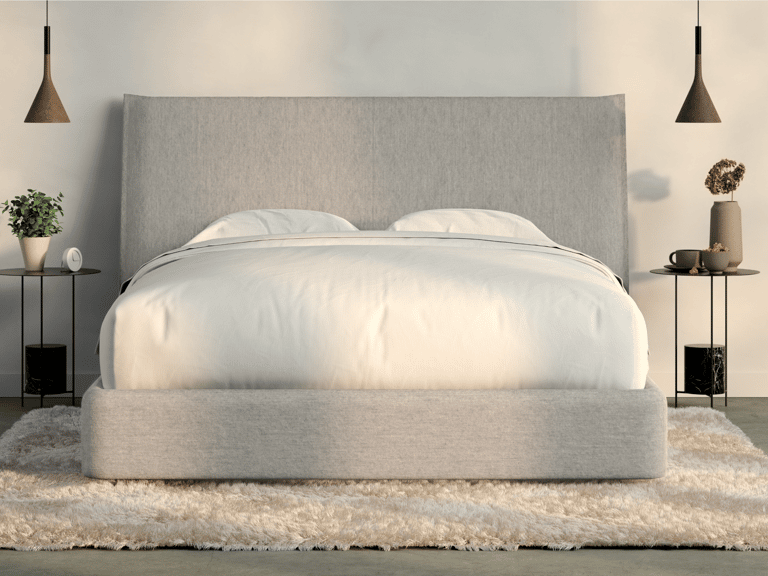
The Haven Bed Frame embodies the careful marriage of form and function that luxbedding.org reveres. Its felted wool upholstery and sturdy frame promise a foundation that feels both grounded and refined. While textiles are our primary concern, the bed frame itself is a crucial partner in shaping a sleep environment—one that supports posture, reduces noise, and contributes to an aesthetically calm room.
The frame’s design speaks to a philosophy: comfort emerges where materials meet intention. A bed is not merely a structure but a daily ritual—a stage upon which the night’s rest is rehearsed and renewed. The Haven Bed Frame, with its clean lines and tactile surface, invites quiet contemplation about how furniture can elevate sleep without shouting for attention.
Product: Haven Bed Frame
Price: 1895.00
Notes: Felted wool upholstery provides tactile warmth; a solid frame improves long-term sleep support. Availability may vary by region.
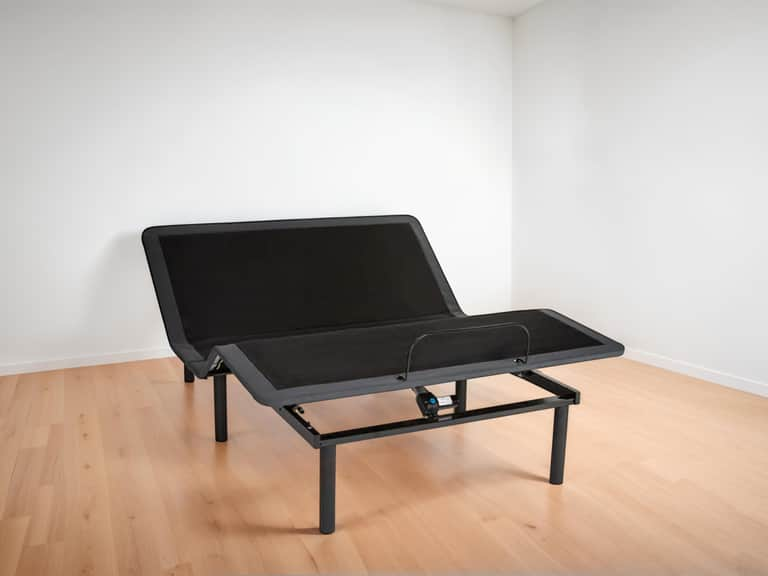
Product: The Clean Bedroom Level 1 Adjustable Bed Base
Price: 849.00
Notes: Customizable head and foot positions; seven leg-height settings for a personalized sleep posture.
In a modern bedroom, the bed base is less a mere platform than a partner in comfort. It can tilt, elevate, and subtly reframe how rest is experienced. When paired with a well-chosen mattress and fabric palette, the base becomes part of an architecture of sleep that respects both science and sensibility.
The juxtaposition of the Haven Bed Frame and the Level 1 Adjustable Base demonstrates how durable foundations support the more ethereal qualities of bedding—the feel of sheets, the contour of pillows, the rhythm of warmth and airflow across the night.
Conclusion: building a sleep system with intention
Choosing bedding fabrics is not merely a matter of preference; it is a design decision about how we want to inhabit space during the hours we spend asleep. The fabric’s weave, fiber, and finish shape a sleeping climate, determine ease of care, and influence how we perceive comfort. Cotton, linen, bamboo blends, and wool each offer a voice in the room’s quiet dialogue about temperature, texture, and tone.
As this guide has suggested, the best approach is to assemble a sleep system that harmonizes with your climate, skin sensitivity, and daily rhythms. Ground your choices in credible sources and certifications where possible, seek fabrics that age gracefully, and remember that the bed is a stage for rest—a sanctuary you visit nightly. The right combination of fabrics, when used consciously, can transform the ordinary act of sleep into a refined, restorative ritual.
For readers seeking a longer roadmap, a forthcoming content plan will outline 20 article ideas with headlines and practical outlines, plus a suggested site architecture and content calendar to help luxbedding.org become a trusted resource for sleep science and bedding education.
Sleep easy with premium felted wool comfort on a sturdy hardwood frame—no box spring needed, simple setup, and lasting, solid support for a modern, luxurious look.
Tailor every night to you with seven height presets and independent head/foot lifts, easing into reading, boosting circulation, and aligning your spine for deeper sleep—comfort, ease, and well-being at an affordable price.
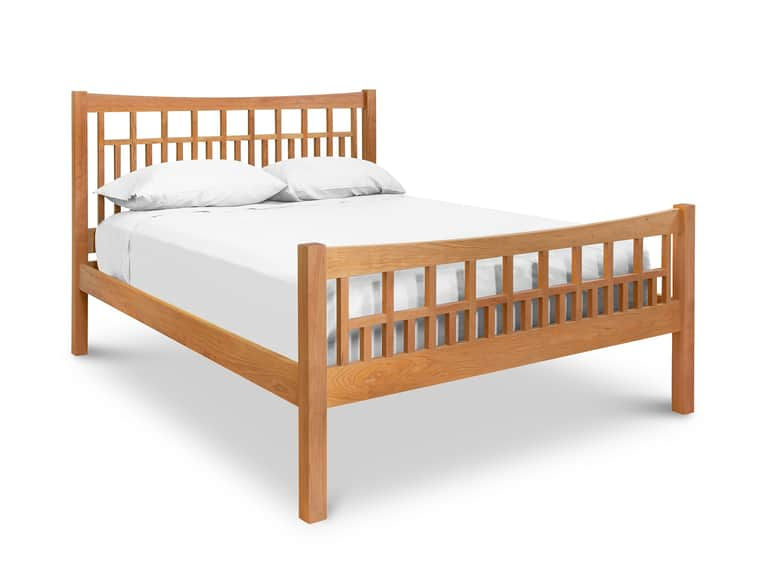
Handcrafted solid-wood platform bed in cherry, maple, or walnut promises enduring strength, refined Arts and Crafts detail, and a warm, natural finish. Enjoy timeless elegance, durable construction, and a cohesive look across the Modern Craftsman Collection.