Furniture encompasses a wide range of functional and aesthetic elements essential to living spaces, from foundational frames to textiles and accessories. In this category, understanding materials, construction methods, and ergonomic design helps clarify how pieces support daily activities and long-term comfort. Key topics include joinery, support systems, and finish durability that influence performance across various rooms and uses.
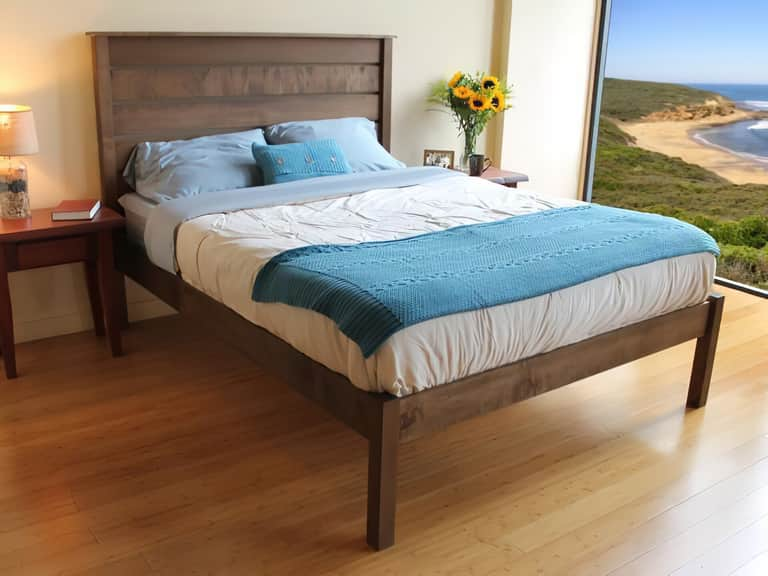
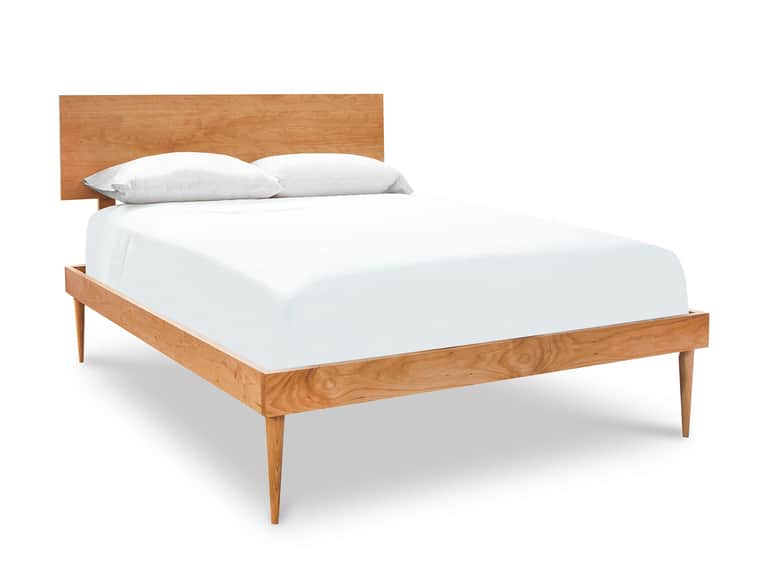
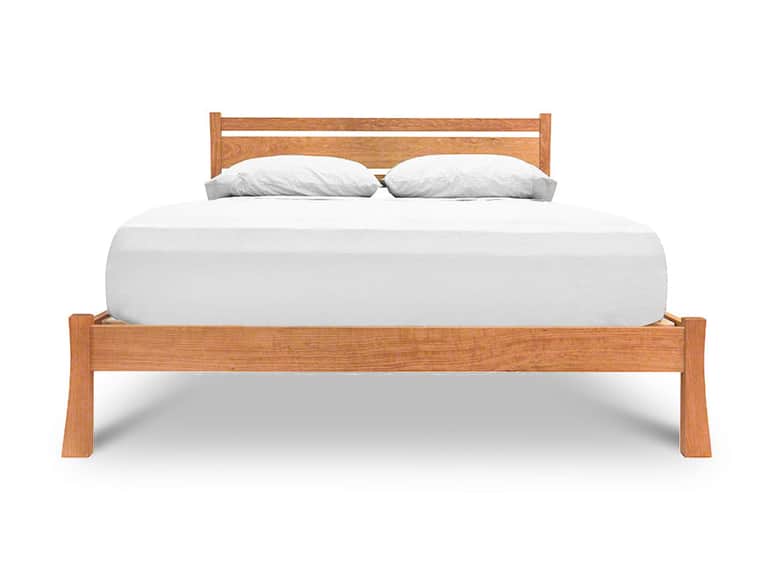
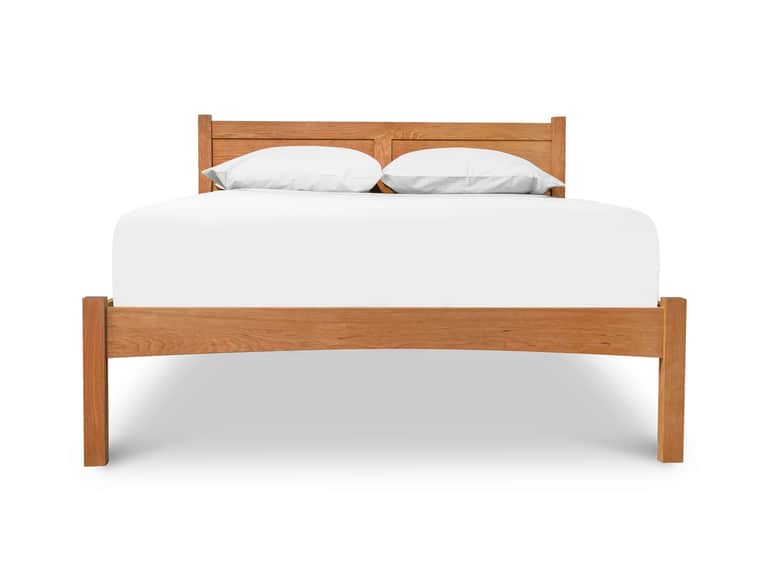
When considering beds and related sleep furniture, factors such as spinal alignment, edge support, and ease of maintenance become important. The Essex Low Footboard Bed demonstrates how a low-profile silhouette can balance visual lightness with sturdy construction, while maintaining practicality for room layouts and foot clearance without sacrificing bed integrity.
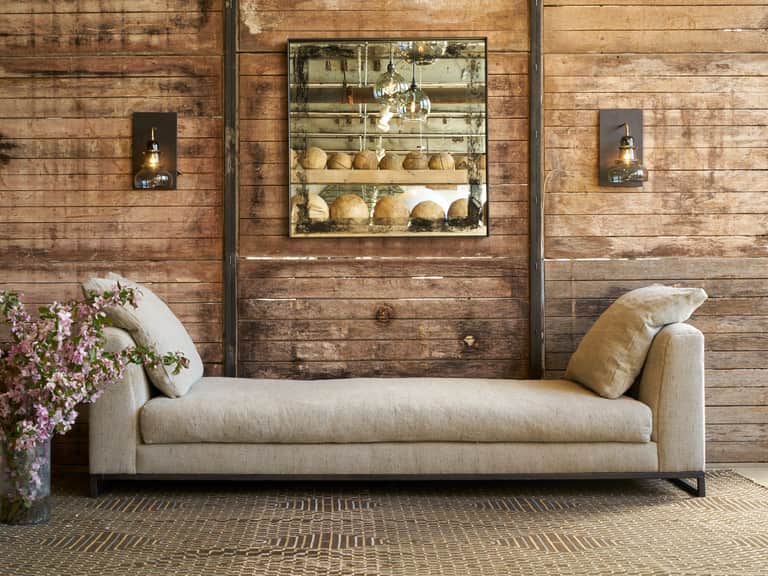
The Cisco Home Richard Daybed highlights versatility through modular seating that doubles as a sleeping surface when needed. Its design emphasizes durable upholstery, supportive cushions, and a reliable frame, enabling flexible use in guest rooms or living spaces. Functional benefits include efficient space utilization and adaptable seating configurations for daily routines.
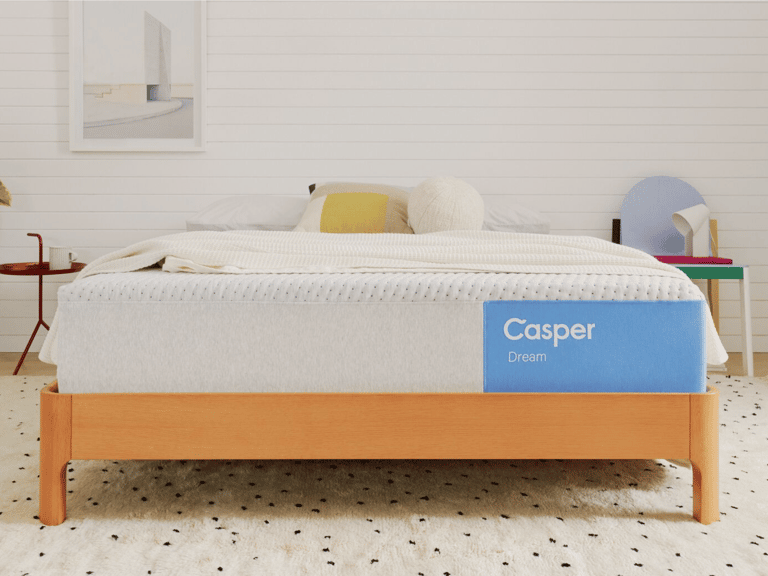
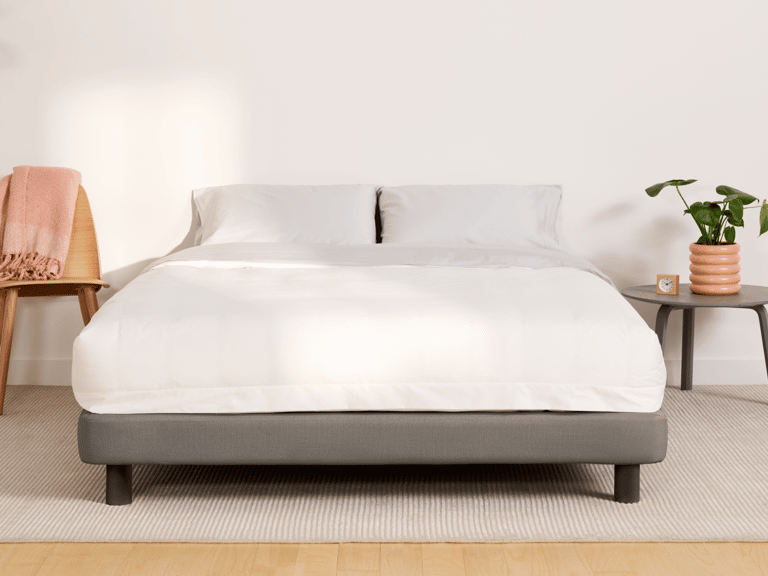
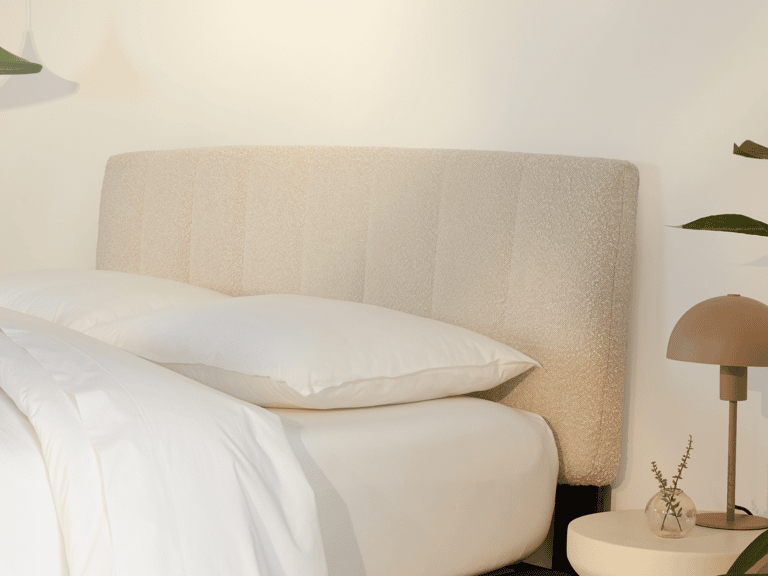
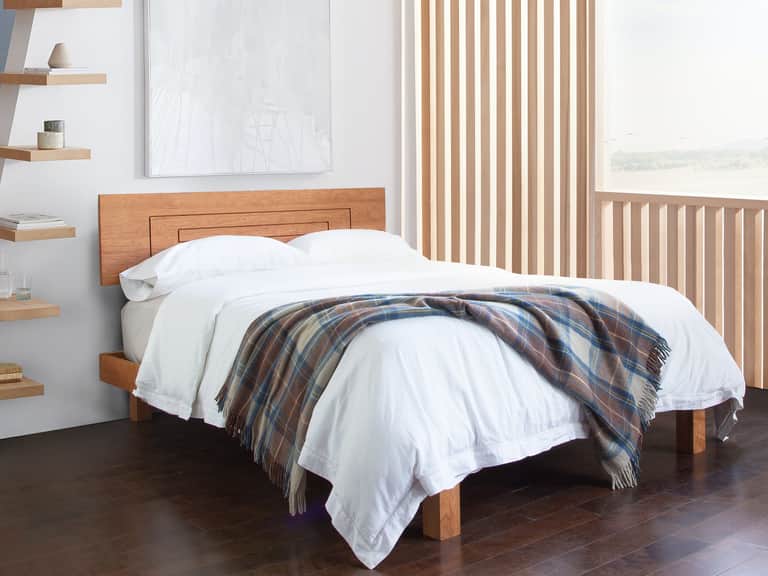
In addition to frames, understanding mattress foundations, innersprings, and complementary textiles like sheets and pillows contributes to overall comfort. Materials selection, weave quality, and breathability influence temperature regulation and longevity, making informed choices critical for sustainable, long-term sleep health and room harmony.
For consumers researching bedding-related furniture, familiarizing with product specifications and care requirements supports informed decisions. Key terms such as bed frame type, weight capacity, and maintenance guidelines align with the broader category of furniture, including travel pillows and innerspring mattresses, reinforcing the educational value of this overview.
 Furniture